




Education Articles
Like what you see?
Sign up for our bi-monthly newsletter here to get even more educational content sent to your inbox every month!
-
As the Seasons Change
By: JJ Sechan Have you ever listened to a piece of music that struck you as so off-putting that you had to leave the room, or worse, so overstimulating that you were ready to scream? You wouldn’t be alone! As Parisian audiences flooded into the Théâtre des Champs-Élysées on May 29, 1913, to hear Stravinsky’s…
-
Stravinsky and Neoclassicism
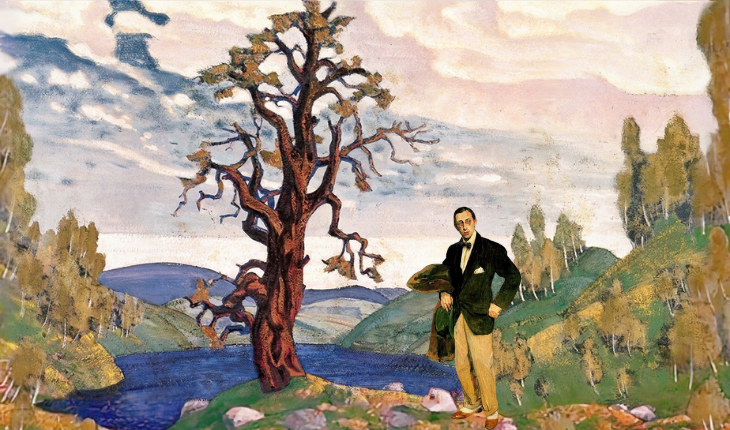
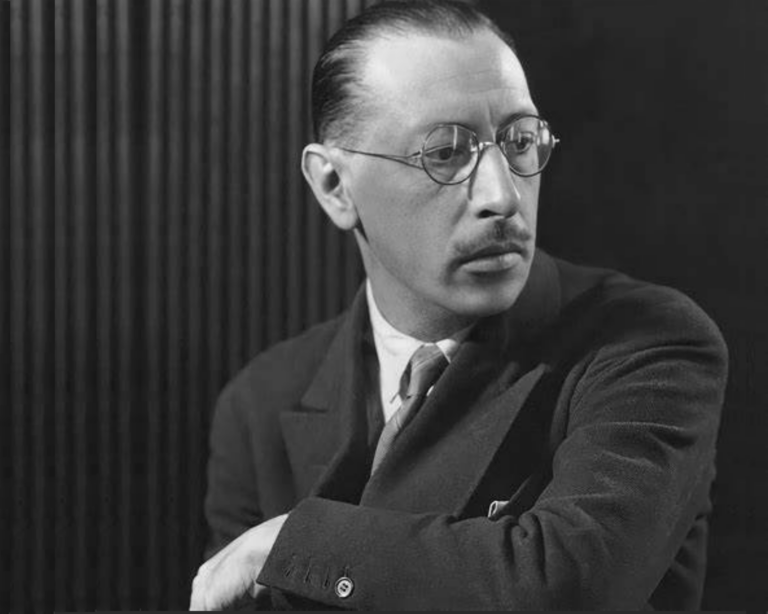
By: JJ Sechan From Impressionist works to Tone Poems and Serial pieces, there are a lot of nitpicky words used to describe classical music, and today we dive into the nitpicky-est one, Neoclassicism. As with many 20th century musical innovations, we have Igor Stravinsky to thank for this multi-syllabic monstrosity. After attaining celebrity status with the…
-
Grażyna Bacewicz: Form and Fire
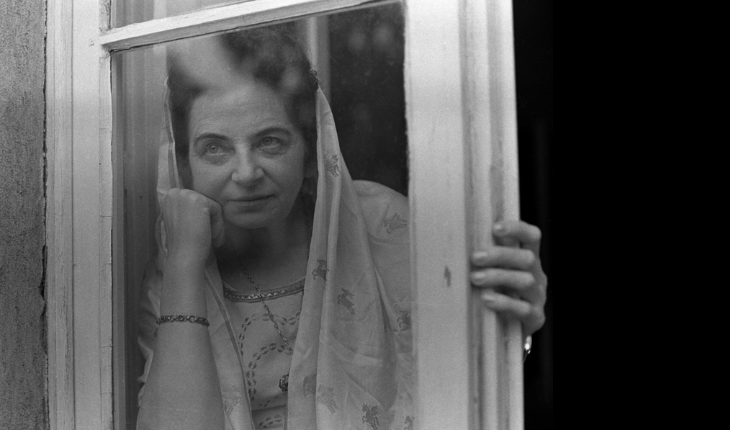
By: Pam DeVier For me, the work of composing is like sculpting a stone, not like transmitting the sounds of imagination or inspiration. Grażyna Bacewicz, October 23, 1958 A virtuoso violinist, pianist, and prolific composer, Grażyna Bacewicz (pronounced grah-ZHEE-nah baht-SEH-vich) rejected the romanticized idea of the composer as a passive conduit. A student of both…
-
A German in the United States
By: Michael Campion When Charles Martin Loeffler died in 1935 an article in the New York Herald Tribune acknowledged his inestimable contribution to American music by saying, “There will not be another like him. No one in America has approached him for individuality of style, perfection of craftsmanship, beauty of utterance, loftiness and subtlety of…
-
Ralph Vaughan Williams’ The Lark Ascending
By: Quinn Riley The year was 1914 and King George V had just announced The United Kingdom’s entrance into WWI. It was at this time, on August 4th, that English composer Ralph Vaughan Williams was on holiday at the seaside town of Margate in Kent, where he strolled along the cliffs near the English Channel…
-
A Mozart Birthday Serenade
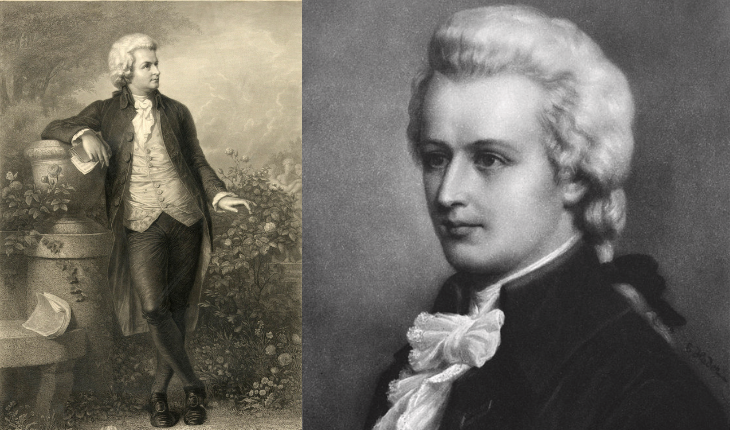
By: Pam DeVier January 1776. Mozart turns 20 years old on the 27th and composes his Serenade No. 6 in D major, K. 239, better known as his Serenata notturna, a redundant title scribbled on the original manuscript in his father’s hand. While the United States was on the brink of declaring its independence, Mozart was…