




Cassandra Wilson
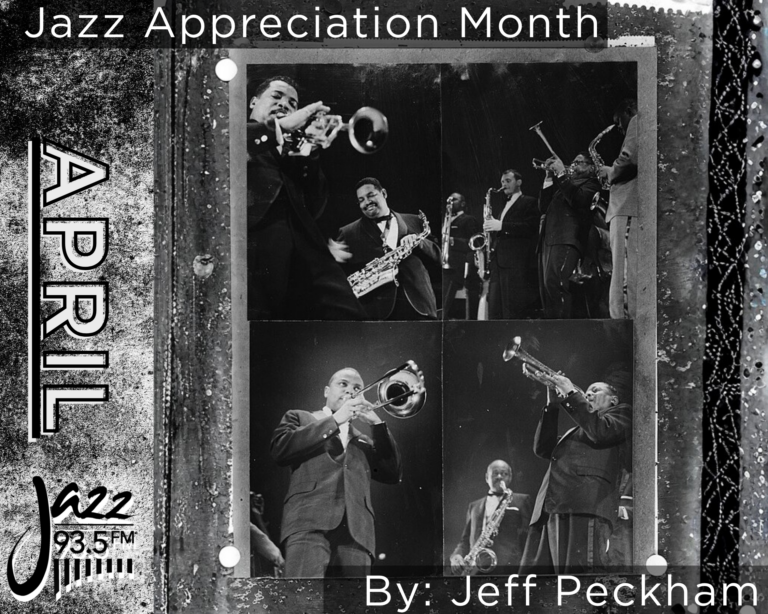
By: Jeff Peckham
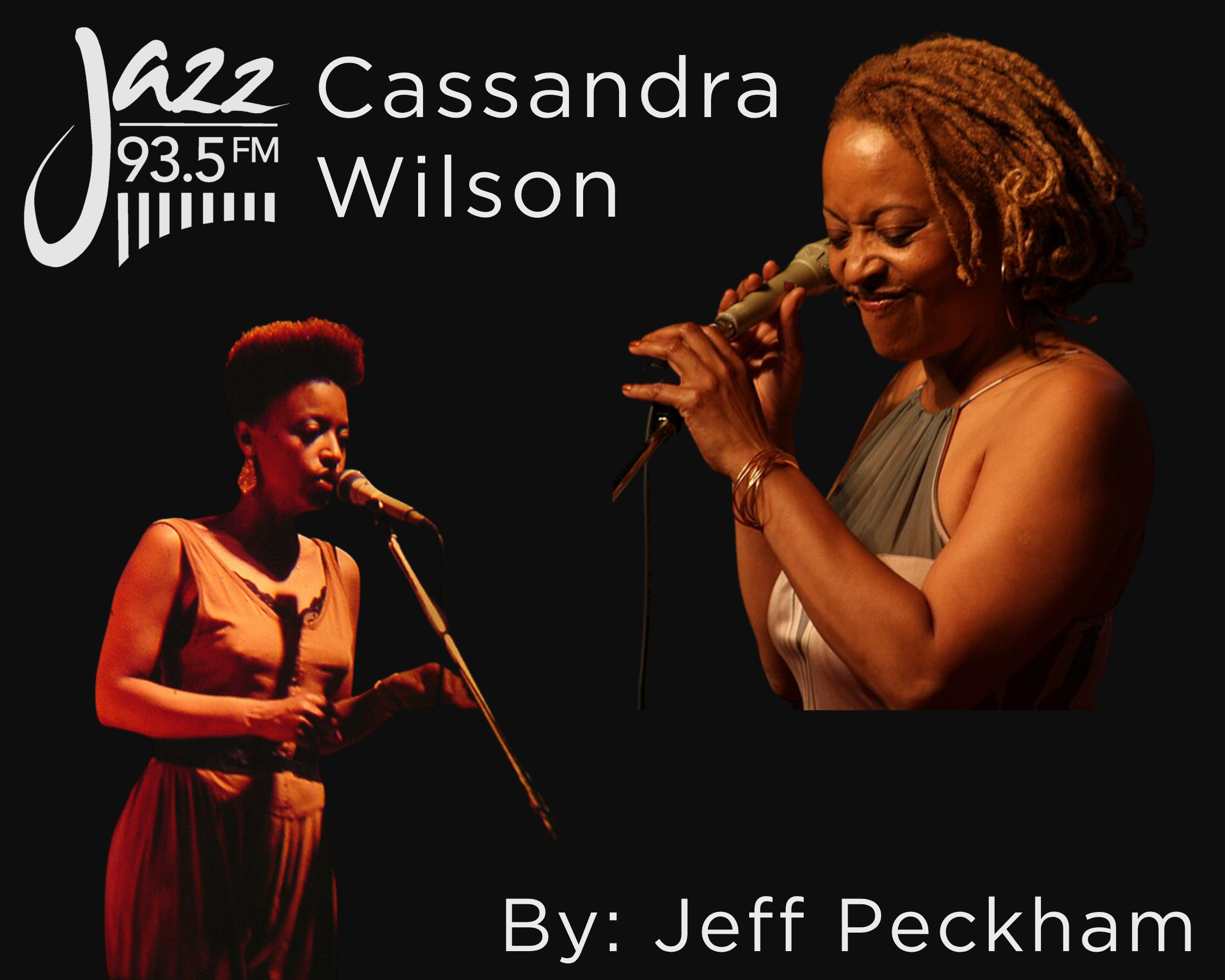
Cassandra Wilson is a visionary vocalist who fundamentally reshaped the landscape of modern jazz by expanding its sonic vocabulary and repertoire. Known for her distinctive, smoky contralto voice and genre-blurring style, she broke the traditional mold of the jazz diva. By incorporating elements of blues, country, folk, and pop into her music, Wilson bridged the gap between classic jazz traditions and contemporary American roots music.
Born on December 4, 1955, in Jackson, Mississippi, Wilson grew up in a highly musical household. Her father was a jazz guitarist and music teacher, and her mother was an educator who loved Motown and classical music. Wilson began classical piano lessons at age six, picked up the guitar at twelve, and began writing her own songs. After earning a degree in mass communications from Jackson State University, she moved to New Orleans and eventually to New York City in 1982. In New York, she became a founding member of the M-Base collective, a group of avant-garde musicians—including saxophonist Steve Coleman—dedicated to creating a new, rhythmically complex musical language.
Wilson released several acclaimed solo albums in the late 1980s, but her definitive career breakthrough came with her 1993 signing to Blue Note Records. Her label debut, Blue Light ’til Dawn, was a masterpiece of acoustic reimagining. She moved away from traditional swing standards, instead delivering haunting, blues-infused interpretations of songs by Robert Johnson, Joni Mitchell, and Van Morrison. She followed this formula to even greater success with her 1995 album New Moon Daughter, which won the Grammy Award for Best Jazz Vocal Performance. Another monumental recording was her 1999 tribute to Miles Davis, Traveling Miles, which showcased her unique ability to translate complex instrumental jazz concepts into vocal poetry.
Throughout her career, Wilson engaged in groundbreaking collaborations. In 1997, she featured prominently as the lead vocalist in Wynton Marsalis’s Pulitzer Prize-winning jazz oratorio, Blood on the Fields. Her versatility allowed her to collaborate seamlessly across genres with artists ranging from jazz icons like Dave Holland and Jack DeJohnette to roots and rock musicians like The Roots, Luther Vandross, and Angelique Kidjo.
Wilson’s impact on vocal jazz and jazz in general cannot be overstated. Before her breakthrough in the 1990s, jazz singers were heavily expected to emulate the Great American Songbook styles of Ella Fitzgerald or Sarah Vaughan. Wilson tore down these boundaries, proving that a modern jazz singer could find standard material in the catalog of Bob Dylan, U2, or Death Cab for Cutie. Her deep exploration of the Mississippi Delta blues re-anchored jazz to its essential southern roots, reminding the music world of the deep historical connection between the blues and jazz improvisation.
Through her adventurous spirit and artistic courage, Cassandra Wilson liberated a generation of subsequent vocalists to embrace eclectic influences, ensuring that jazz vocal styling remained an evolving, living art form.