





Robert and Clara: True Love

By: Robert Bruce
229 words
1–2 minutes


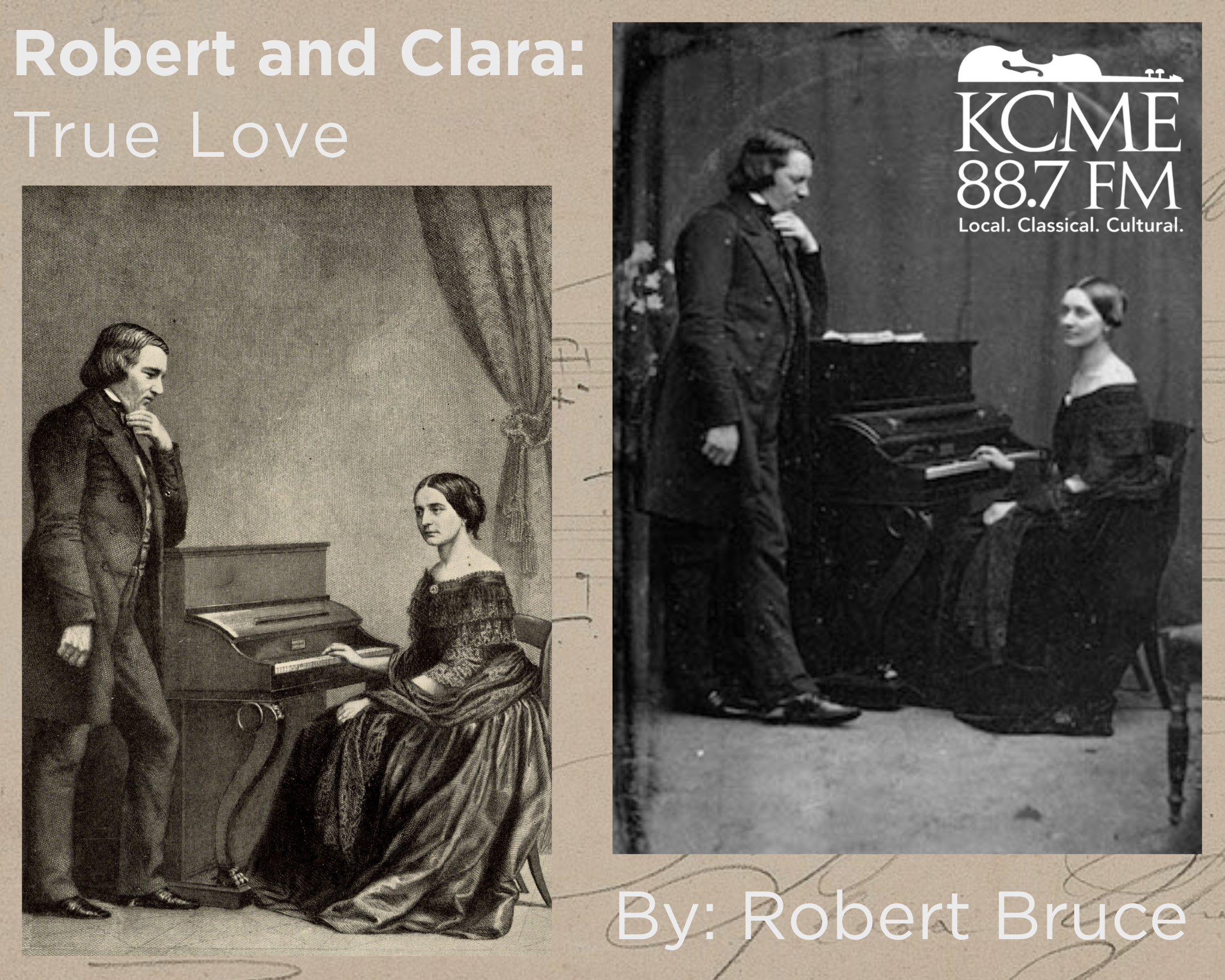
On September 12, 1840, just a day before her twenty-first birthday, pianist Clara Wieck was married to her longtime beau, the thirty-year old composer, Robert Schumann. The two had met in Leipzig when Robert began studying piano with Clara’s father, Friederick Wieck, a well-known professional pianist and teacher. Over the course of several years, Robert and Clara became increasingly attached, and in 1837, Robert proposed to her, and she accepted. But when Robert asked Friederick for his daughter’s hand in marriage, he absolutely refused permission. Although already a successfully published composer of piano works, and with his daughter already established as a concert pianist, Wieck strongly objected to their union, fearing the worst for both their futures.

In desperation, Robert and Clara took their case to court, suing Wieck for their ability to wed. After a long and acrimonious legal battle, the judge ruled in favor of the young couple, and the two were finally married. In joy over being able to marry the girl he loved, 1840 proved to be Schumann’s “year of song,” writing at least 138 songs that year. Their partnership proved to be a happy and fruitful one, with Schumann composing his piano concerto, four symphonies, chamber works, and much vocal, choral, and piano music; while Clara pursued a successful career as a concert pianist, championing her husband’s music, and proving to be an accomplished composer herself.
Similar Posts

  • Third Stream Music — The Hybrid Intruder

    By: Michael Skattebo Fusion in art often divides as much as it inspires. What some welcome as innovation, others see as an existential threat to tradition. It was with this tension in mind that American composer Gunther Schuller coined the term Third Stream — the merging of jazz and classical currents into a new musical…

  • Al Jarreau

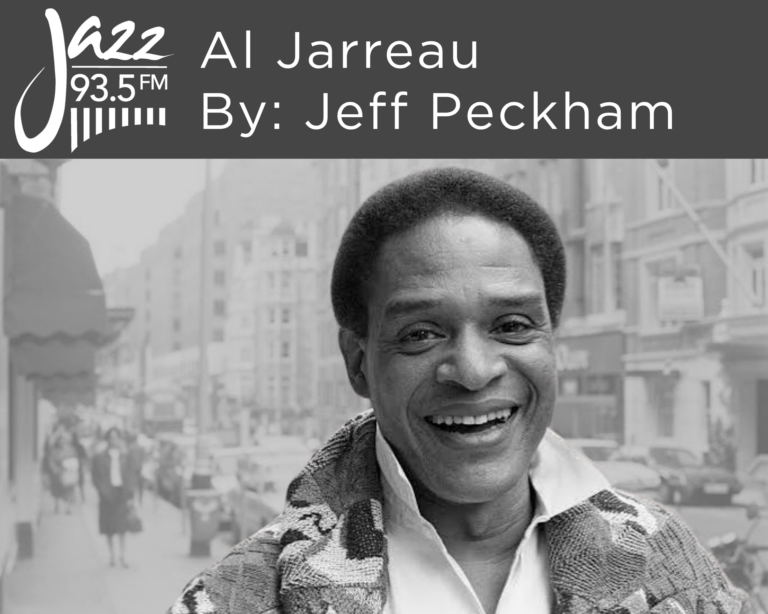
    By: Jeff Peckham Al Jarreau was a virtuoso vocalist who redefined the boundaries of jazz, pop, and R&B. Over a career spanning five decades, his unique vocal style and elastic range earned him international acclaim. He remains the only artist to win Grammy Awards in three separate categories: jazz, pop, and R&B. Born Alwin Lopez…

  • Jack DeJohnette

    By: JJ Sechan Sadly, October saw the loss of several legendary musicians who have shaped the fabric of American music, including bassist Anthony Jackson and singer/multi-instrumentalist D’Angelo. However, today I want to mark the passing of Jack DeJohnette, whose inimitable drumming kicked off the fusion genre and redefined the role of a drummer as an…

  • A German in the United States

    By: Michael Campion When Charles Martin Loeffler died in 1935 an article in the New York Herald Tribune acknowledged his inestimable contribution to American music by saying, “There will not be another like him. No one in America has approached him for individuality of style, perfection of craftsmanship, beauty of utterance, loftiness and subtlety of…

  • Cassandra Wilson

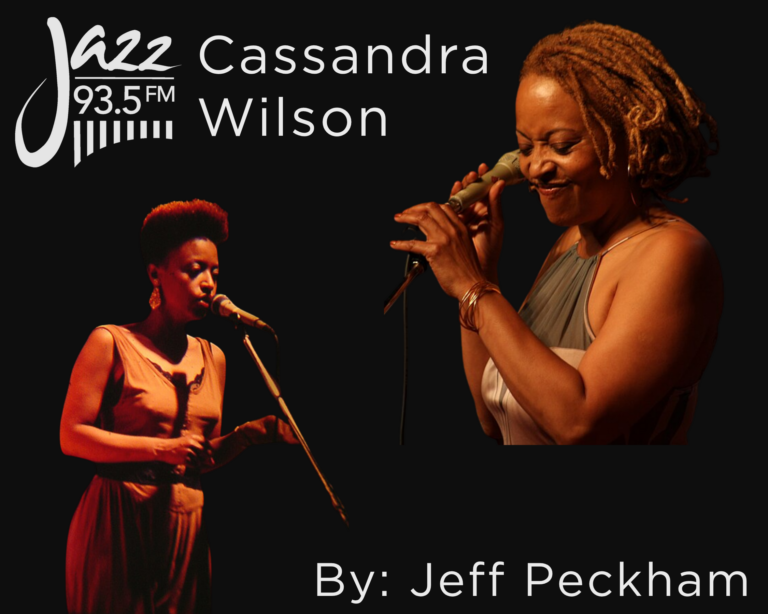
    By: Jeff Peckham Cassandra Wilson is a visionary vocalist who fundamentally reshaped the landscape of modern jazz by expanding its sonic vocabulary and repertoire. Known for her distinctive, smoky contralto voice and genre-blurring style, she broke the traditional mold of the jazz diva. By incorporating elements of blues, country, folk, and pop into her music,…

  • The Village Vanguard

    By: Jeff Peckham The Village Vanguard, a venerable institution nestled in the basement of 178 Seventh Avenue South in New York City’s Greenwich Village, stands as a living testament to the evolution and enduring spirit of American music, particularly jazz. Opened in 1935 by Max Gordon, the club initially showcased a diverse range of acts,…

Leave a Reply

Your email address will not be published. Required fields are marked *