




Roy Hargrove
By: Jeff Peckham
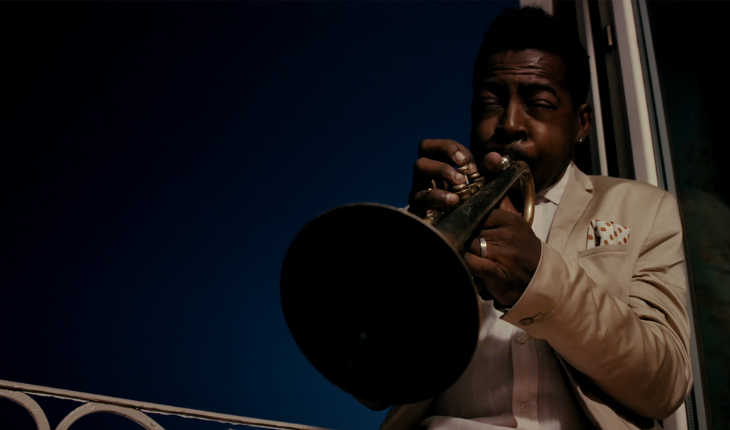
Roy Hargrove was more than just a virtuoso trumpeter; he was the vital bridge between the golden era of hard bop and the modern landscape of neo-soul and hip-hop. Emerging in the late 1980s as a “Young Lion,” Hargrove possessed a tone that was both burnished and biting, capable of channeling the fire of Freddie Hubbard and the lyrical tenderness of Clifford Brown.
Early Life and Discovery
Born in Waco, Texas, in 1969, Hargrove’s talent was evident early on. His trajectory changed forever when Wynton Marsalis discovered him during a clinic at Dallas’ Booker T. Washington High School. Impressed by the teenager’s maturity, Marsalis invited him to sit in with his band, catapulting Hargrove into the professional jazz world before he had even graduated. After a brief stint at Berklee, he moved
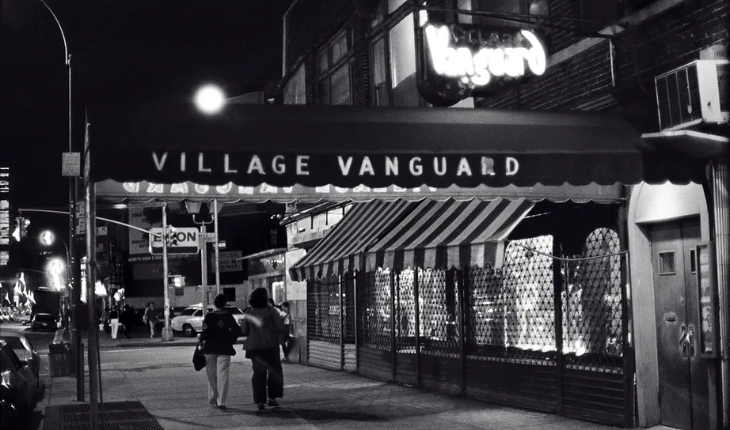
to New York City, becoming a fixture of the late-night jam session scene at clubs like Smalls and the Blue Note.
Seminal Recordings
Hargrove’s discography is a testament to his versatility, spanning straight-ahead jazz, Afro-Cuban rhythms, and orchestral ballads.
- Diamond in the Rough (1990): His debut as a leader established him as a torchbearer for the hard bop tradition.
- Habana (1997): This Afro-Cuban masterpiece won Hargrove his first Grammy. It showcased his ability to lead a powerhouse ensemble (Crisol) featuring legends like Chucho Valdés.
- Earfood (2008): Perhaps his most beloved late-career album, featuring the quintessential track “Strasbourg/St. Denis.” The song’s infectious, soulful hook has since become a modern jazz standard.
- Parker’s Mood (1995): A trio recording with Christian McBride and Stephen Scott, this album is often cited as one of the finest tributes to Charlie Parker, proving Hargrove’s deep command of the bebop language.
Important Collaborations and the RH Factor
While he was a master of the tradition, Hargrove’s most lasting impact may be his role in the Soulquarians collective. During the late 1990s, he became the “first-call” horn player for the architects of neo-soul. His elegant arrangements and soaring solos are foundational to landmark albums like D’Angelo’s Voodoo, Erykah Badu’s Mama’s Gun, and Common’s Like Water for Chocolate.
In 2003, he formalized this fusion with his band The RH Factor. Their debut album, Hard Groove, was revolutionary. By inviting hip-hop and R&B heavyweights like Q-Tip and Anthony Hamilton into a jazz context, Hargrove “flipped the script,” proving that jazz improvisation and urban grooves were not just compatible, but inseparable.
Legacy
Roy Hargrove’s impact is felt in the music of Robert Glasper, Kamasi Washington, and nearly every contemporary jazz musician who refuses to be boxed in by genre. He died in 2018 at age 49, but his legacy persists as a reminder that the “tradition” is a living, breathing entity. He showed the world that a musician could wear a sharp suit and play bebop at Lincoln Center one night, then wear a hoodie and lay down a funk groove the next—and be equally authentic in both.