




Fannie Mae Duncan & the Cotton Club of Colorado Spring
By: Jeff Peckham
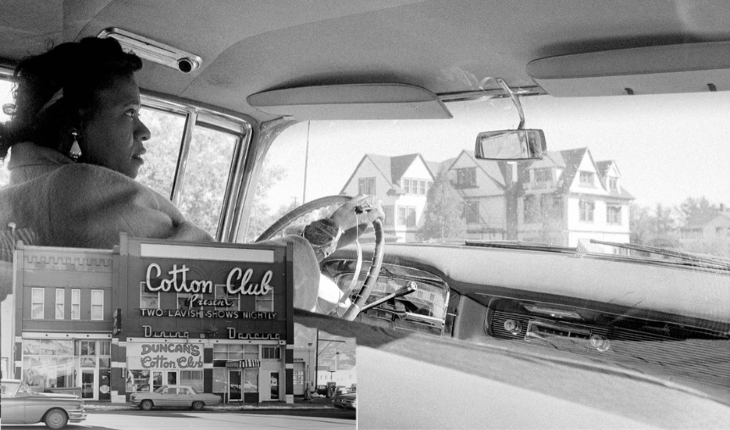
The legendary Cotton Club in Colorado Springs, Colorado, owned by the pioneering entrepreneur Fannie Mae Duncan, was a beacon of integration and world-class jazz during a segregated era. Often mistakenly referred to as “Cotton Club West,” this establishment was Duncan’s personal vision and one of Colorado Springs’ most significant cultural and civil rights landmarks.
Fannie Mae Bragg was born in Luther, Oklahoma, on July 5, 1918. Her family moved to Colorado Springs in 1933, seeking a better life. Duncan’s entrepreneurial spirit began early, and after graduating from high school, she worked in various positions before marrying Edward Duncan. During WWII, she successfully operated a soda fountain and later a USO concession for African-American soldiers at Camp Carson.
In 1948, Fannie Mae Duncan opened the Cotton Club on West Colorado Avenue. The club’s closing date was in 1975, when the building was razed due to urban renewal. Fannie Mae Duncan died on September 13, 2005, in Denver, Colorado.
The Cotton Club became a compulsory stop for the nation’s biggest African-American jazz, blues, and R&B stars. Its stage hosted an extraordinary roster of artists, including jazz greats like Louis Armstrong, Duke Ellington, Count Basie, Etta James, Lionel Hampton, Mahalia Jackson, B.B. King, Billie Holiday, and Muddy Waters. Comedian Flip Wilson also got an early start performing at the club.
A unique anecdote highlights Duncan’s defiant and progressive philosophy. At a time when segregation was the norm, the city’s hotels refused to accommodate the black performers. In response, Duncan purchased a historic Victorian mansion to serve as luxurious lodging for her celebrity guests and other visiting black dignitaries, including civil rights activist Medgar Evers. This move not only provided comfort but was a powerful statement against systemic discrimination.
Another famous anecdote involves the local police chief, Irvin “Dad” Bruce, who once ordered her to “stop mixin’ colors” and “run it black.” Duncan’s firm, quick-witted reply was that she checked for age, “didn’t know I had to check for color.” She stood her ground, asserting that turning away white patrons would be denying their constitutional rights. The chief eventually backed down, and Duncan worked out a successful arrangement with law enforcement, cementing the club’s status as a safe and integrated space. She hired a diverse, multi-ethnic staff and famously hung a permanent sign that declared her mantra: “Everybody Welcome.”
The Cotton Club’s legacy is inextricably linked to Fannie Mae Duncan’s visionary role in the peaceful integration of Colorado Springs. While she never set out to be a civil rights pioneer, her business principles effectively shattered racial barriers in the city. Her “Everybody Welcome” motto was a bold stand in the face of widespread de facto segregation.
Beyond the club, Duncan was a major philanthropist. She co-founded the local chapter of the Sickle Cell Anemia Association and the philanthropic 400 Club, which raised money for scholarships and aided needy families.
Today, Duncan is honored by the annual Everybody Welcome Festival in Colorado Springs, a testament to her enduring spirit of inclusion and community. She was posthumously inducted into the Colorado Women’s Hall of Fame, a fitting acknowledgment of the determined, flamboyant, and generous woman who used her nightclub to change a city’s history. Additionally, Colorado Springs honored Fanny Mae Duncan with the unveiling of a statue by artist Lori Kiplinger Pandy in 2019. The statue of Fanny Mae is located in front of the Pikes Peak Center for the Performing Arts.