



Birdland
By: Jeff Peckham
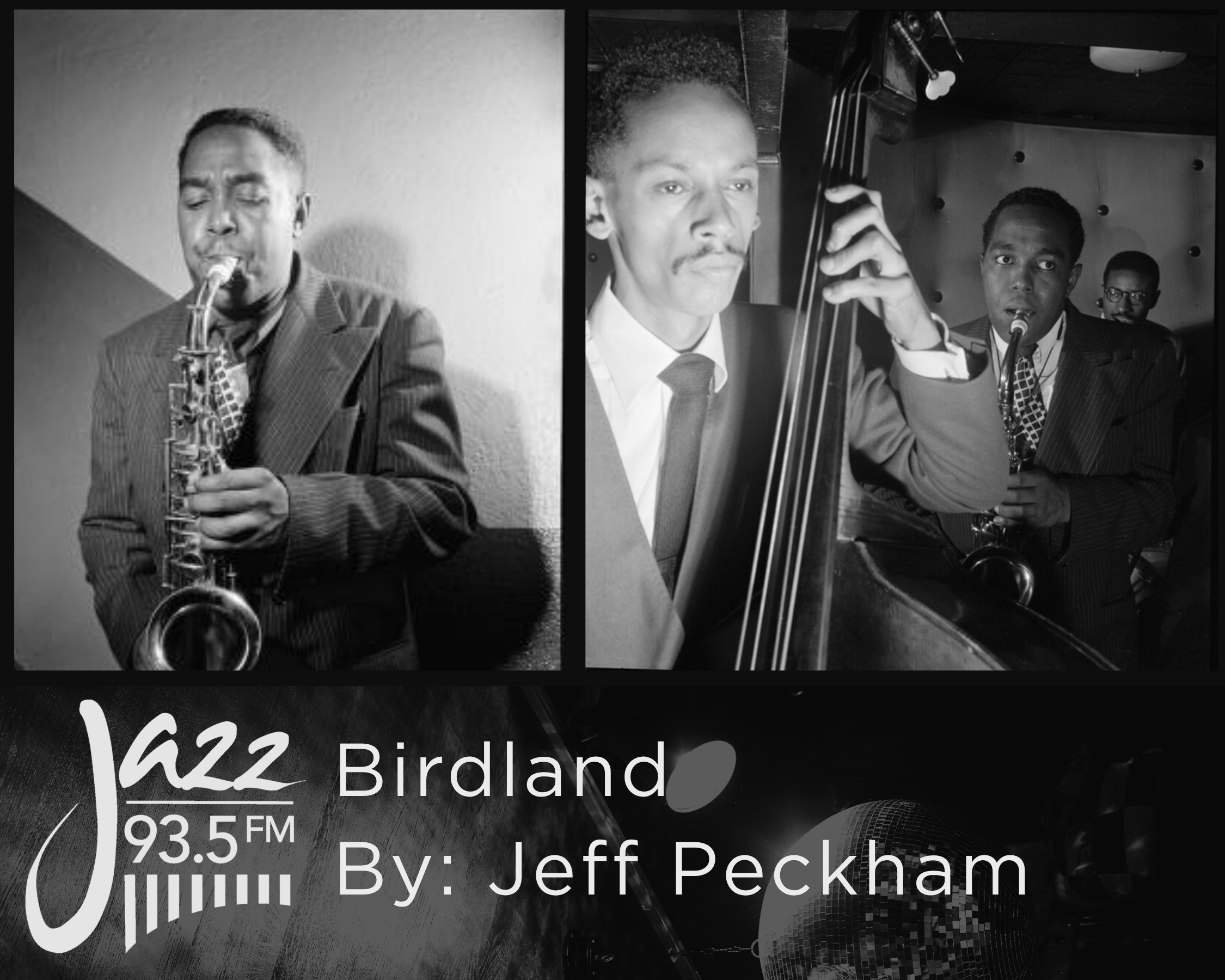
The original Birdland jazz club opened on December 15, 1949, at 1678 Broadway in Manhattan, just north of Times Square. The venue was founded by a syndicate led by Morris Levy, Irving Levy, and Oscar Goodstein. They named the club in honor of alto saxophonist Charlie “Yardbird” Parker, who was the defining figure of the emerging bebop movement. The founders sought to create a premium, dedicated space for modern jazz at a time when the music was transitioning from dance halls to serious listening rooms.
The atmosphere of the original basement club was electric, dense, and sophisticated. It featured a neon sign at the entrance, a long bar, and a distinct layout that included a regular seating area alongside a bullpen—a railed-off section with bleachers where underage fans or patrons with less money could buy a cheap ticket just to listen without a beverage minimum. The club could hold roughly 500 people. It quickly became the epicenter of the jazz world, characterized by thick cigarette smoke, intense musical experimentalism, and a diverse, celebrity-heavy crowd that included figures like Marilyn Monroe, Frank Sinatra, and Marlene Dietrich. Art Blakey famously described the venue as the “University of Bebop.”
Birdland became legendary for its live recordings, which captured the raw energy of the era. Among the most seminal are Art Blakey Quintet’s A Night at Birdland (1954), which codified the hard bop sound, and John Coltrane’s Live at Birdland (1963), featuring the classic quartet delivering a powerful, transcendent performance that included the track “Alabama.” Miles Davis, Count Basie, and Lester Young all recorded vital live sets within its walls.
Seminal performances defined the club’s golden era. Charlie Parker himself performed there frequently, debuting new compositions and collaborating with Dizzy Gillespie, Bud Powell, and Max Roach. The Count Basie Orchestra held a legendary residency at the club; George Shearing even composed the jazz standard “Lullaby of Birdland” in 1952 specifically to serve as the theme song for the club’s regular radio broadcasts.
As rock and roll rose in popularity and the nightlife dynamics of Times Square shifted, the original Birdland fell into financial trouble and closed its doors in 1965. However, the legacy of the name survived. In 1986, John Valenti reopened Birdland in Manhattan’s Upper West Side as a restaurant and jazz club. In 1996, the club moved back to the Theater District on West 44th Street, where it operates today.
Modern Birdland continues its robust support of jazz by operating as a world-class performance space. It hosts a mix of veteran jazz masters, big bands, and avant-garde players, preserving the tradition of live jazz recordings through its “Birdland Records” label. By blending historical reverence with a commitment to booking contemporary, diverse artists, Birdland remains a vital anchor of the global jazz community.